Night
Created my debut FPS game using Unity, incorporating key concepts such as rigidbody physics for bullets, post-processing effects, and an innovative enemy AI spawn system:-
Rigidbody for Bullets: Implemented Unity's rigidbody physics to simulate realistic bullet trajectories and interactions.
Post Processing Effects: Utilized post-processing effects to elevate the game's visual appeal. Integrated features like visual filters, bloom, and depth of field to create a captivating and immersive visual experience for players
Enemy AI Spawn System: Developed an advanced enemy AI spawn system that dynamically generated and placed enemies throughout the game environment. This system ensured a challenging and unpredictable experience for players, enhancing the overall excitement of the FPS gameplay.
Shaders
Run Alone
Crafted a 3D endless runner inspired by Temple Run in my second independent game project, employing key concepts such as arrays to manage different tile sets, scripts for seamless tile spawning, and a scoring system with a user interface:- **Array for Different Tile Sets:** Implemented an array system to efficiently manage and organize various tile sets within the game. This allowed for a diverse and dynamic environment by randomly selecting and placing different tiles during gameplay.-
Script for Seamless Tile Spawning: Developed a script responsible for the continuous spawning of tiles, ensuring a seamless and endless runner experience. This script managed the instantiation of new tiles, creating a smooth and challenging terrain for players.
Scoring System: Integrated a scoring system to track and display the player's progress. The scoring system responded to the player's actions, such as distance covered or obstacles overcome, providing a metric for success and encouraging replayability.
User Interface (UI): Designed and implemented a user interface to display essential information, including the player's score. The UI elements enhanced the overall gaming experience by providing real-time feedback to the player.
Procedural Climbing
Implemented procedural climbing mechanics in an independent project inspired by Horizon Zero Dawn. Utilized dynamic animations and a linked list structure incorporating constructors, procedural animation, ray casting, and Scriptable Objects format:-
Constructors: Initialized and set up objects for the climbing mechanics, establishing initial states and properties.
Linked List: Managed climbing elements dynamically using a linked list structure, where each node represented a climbable surface or point.
Procedural Animation: Implemented techniques for dynamic animations, ensuring realistic and responsive character movements during climbing.
Ray Cast: Used ray casting to detect and interact with climbable surfaces by casting rays from the character's position.
-Scriptable Objects Format: Employed Scriptable Objects to store and manage data related to climbable surfaces, allowing for easy adjustments and modifications without altering the code.
Gravity Gliders
Developed a hypercasual game using Unity's joints and physics in an independent project. The game is designed to be fun and engaging, incorporating the following key concepts:-
Joints: Leveraged Unity's joint system to create interactive and dynamic connections between game elements. This added a layer of complexity to the gameplay, allowing for unique and entertaining interactions.
Rigidbody: Integrated Unity's rigidbody physics system to simulate realistic movement and collisions within the game environment. This enhanced the overall gameplay experience by providing a more immersive and responsive feel.-
Post Processing: Implemented post-processing effects to enhance the visual appeal of the game. Leveraged post-processing features to add visual filters, color grading, and other effects, contributing to a vibrant and engaging visual style.The combination of joints and rigidbody physics in this hypercasual game ensures a dynamic and interactive experience for players. The addition of post-processing effects enhances the overall visual aesthetics, making the game both enjoyable and visually appealing.
Turn Based Strategy (Udemy)
Developed a turn-based strategy game inspired by Code Monkey, leveraging advanced programming concepts and optimization techniques. Key concepts implemented include:-
A* Algorithm: Utilized the A* algorithm for pathfinding, enhancing the strategic depth of the game. This algorithm efficiently calculates the shortest paths for units, contributing to intelligent and dynamic decision-making.-
Custom Data Types: Implemented custom data types to streamline data organization and management within the game. This enhanced code readability, maintainability, and overall efficiency.
Operator Overloading: Employed operator overloading to redefine the behavior of operators, optimizing code and providing more intuitive interactions between custom data types.
Singleton and Observer Pattern: Implemented the singleton pattern to ensure a single, globally accessible instance of essential game management classes. Integrated the observer pattern to establish efficient communication between game components, enhancing modularity and flexibility.-
Object Pooling: Employed object pooling to manage the instantiation and reuse of game objects, significantly improving performance by reducing the overhead associated with object creation and destruction.
Game Optimization: Utilized Unity Profiler and various optimization techniques to enhance the game's performance. This involved identifying and addressing bottlenecks, optimizing code, and improving resource management for a smoother gaming experience.
Generic Type : to optimize code and ensure code reusability


RPG StateMachine (Udemy)
Developed an RPG game using the State Machine pattern, drawing insights from a Udemy course. Key concepts incorporated in the project include:
Finite State Machine (FSM): Implemented a Finite State Machine to manage the various states of the game entities, such as player characters, enemies, and NPCs. The FSM facilitated efficient state transitions, enabling smooth and responsive gameplay.
Inheritance: Leveraged inheritance to create a structured hierarchy for game entities. This design approach promotes code reuse and flexibility, allowing for easy extension and modification of existing functionalities.
3rd Person Controller: Integrated a 3rd person controller to provide players with intuitive and immersive character movement. This included features like character animations, camera controls, and responsive input handling.
Combat System: Developed a robust combat system that utilized the FSM to manage different combat states, such as idle, attacking, blocking, and more. This system ensured dynamic and engaging combat interactions for both players and enemies.
Enemy AI: Implemented an Enemy AI system that employed the FSM to govern the behavior of enemies. The AI responded intelligently to the game environment, adjusting states based on factors like player proximity, health, and combat situations.
Health System: Created a comprehensive health system to manage the health and damage mechanics for both players and enemies. The FSM played a role in handling various health-related states, such as normal, injured, or defeated.

Environment Design


Isometric City Builder (During Intern)
Developed an isometric city builder game for Android, utilizing a grid system to store tile information and implementing touch input for the pick-and-drop functionality. Key concepts include:
Grid System: Implemented a grid system to organize and manage the placement of tiles in the isometric city. Each cell in the grid stored information about the corresponding tile, facilitating efficient rendering and interaction.
Touch Input: Integrated touch input functionality to detect user interactions on the screen. Recognized gestures such as taps and swipes for a seamless and intuitive user experience.
Pick and Drop Mechanism: Implemented a pick-and-drop mechanism to allow users to select and move tiles within the city. When a tile is picked, it follows the user's touch or swipe movements, and upon release, it is dropped onto the selected grid cell.
This isometric city builder leverages a grid system to organize the city layout efficiently. The touch input functionality enables users to interact with the game through their Android devices, and the pick-and-drop mechanism provides a user-friendly way to construct and modify the cityscape. The combination of these concepts offers players an engaging and interactive city-building experience on their mobile devices.

Coloring Page (During Intern)
Developed a coloring page application prototype for Android, incorporating touch gestures and leveraging a provided coloring package with predefined scripts.
its a 2d look alike 3d game
Key concepts include:
Touch Gestures: Implemented touch gestures to allow users to interact with the coloring page using their Android devices. Recognized gestures such as taps, swipes, and pinches for intuitive and responsive coloring interactions.
Coloring Package with Predefined Scripts: Utilized a provided coloring package that included predefined scripts for coloring elements within the page. Integrated these scripts into the application to facilitate the coloring process for users, ensuring a smooth and enjoyable experience.
This coloring page application prototype offers users an engaging and interactive way to color on their Android devices. The implementation of touch gestures provides a natural and user-friendly interface, while the predefined scripts from the coloring package streamline the coloring experience, making it accessible and enjoyable for users of all ages.

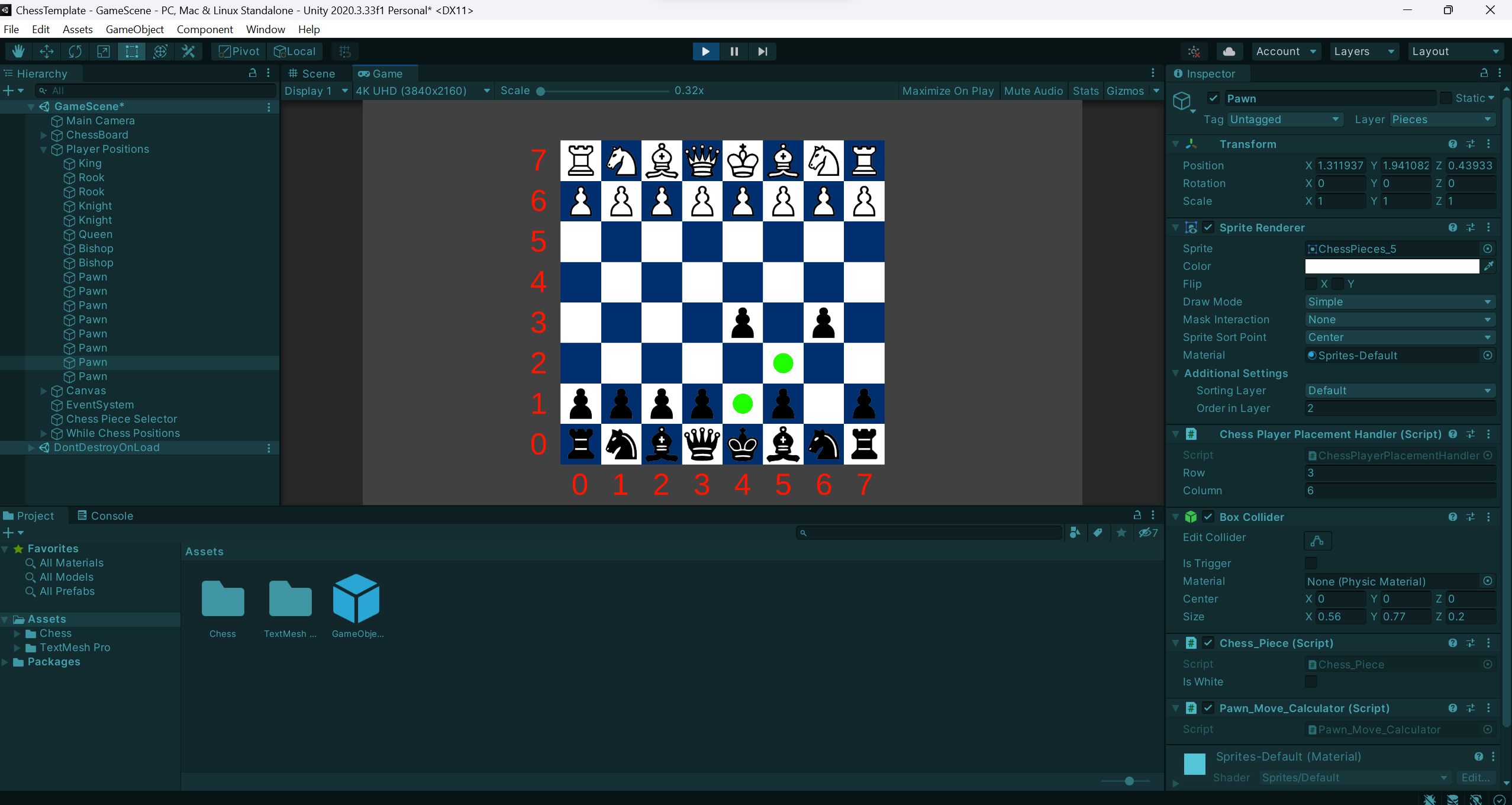
Chess Game Prototype – IDZ Internship Assignment
For my IDZ internship assignment, I developed a chess game prototype with movement visualization system. In this prototype, players can trace the path of each pawn, where:
✅ Green tiles indicate valid moves
✅ Red tiles highlight enemy positions
Technical Highlights:
Implemented a grid system using a 2D array
Designed and wrote my own movement logic from scratch, without external tutorials
Used design patterns like Singleton for efficient game management
This project enhanced my problem-solving skills and deepened my understanding of grid-based movement systems in game development.

SUPERHOT-Inspired Prototype
recreated the SUPERHOT game mechanics and designed a level inspired by its unique slow-motion combat. This project helped me deepen my understanding of Unity HDRP while implementing key gameplay and visual enhancements.
Key Features:
🔥 Volumetric Fog & Lights – Creating atmospheric depth and immersion
🎮 DOTween – Smooth and dynamic object movements
🎨 Post-Processing – Enhancing visuals for a cinematic look
This project strengthened my skills in HDRP lighting, effects, and advanced movement systems, and I’m excited to apply these learnings in future projects!